Golf Cart Accelerator Problems: What You Need to Know
If your golf cart hesitates, jerks forward, or refuses to move, the accelerator system is one of the first places to check.
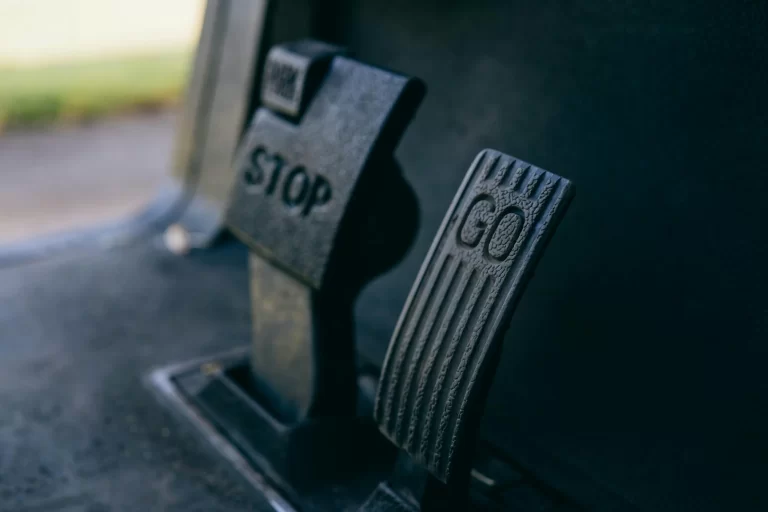
A golf cart accelerator does more than just make the cart move. When you press the pedal, several parts work together. The accelerator pedal triggers the micro switch, sends a signal through the throttle system, activates the solenoid, and tells the controller how much power to send to the motor.
When one part fails, the whole system can feel unpredictable.
Signs Your Golf Cart Accelerator May Be Failing
Most accelerator issues start small before becoming obvious. You may notice the cart hesitates when pressing the pedal. Sometimes it lurches forward instead of accelerating smoothly. In other cases the cart may click but not move. Some carts will lose power during acceleration or feel inconsistent going uphill.
If the cart responds differently every time you press the pedal, that usually points to a problem somewhere in the accelerator circuit rather than the motor itself.
The Most Common Causes of Golf Cart Accelerator Problems
Worn or sticking accelerator pedal
The pedal assembly takes constant use. Dirt, debris, corrosion, or wear can cause the pedal to stick or fail to return smoothly. If the pedal movement feels rough, loose, or inconsistent, start there.
Faulty throttle cable
On carts that use a throttle cable, cable wear or poor adjustment can create hesitation, delayed acceleration, or uneven response. A stretched cable may not deliver proper throttle input.
Failed micro switch
The micro switch is often one of the most common causes of accelerator trouble. When you press the pedal, the switch activates the drive system. If it fails, the cart may do nothing at all or only work intermittently.
Bad solenoid
A faulty solenoid can prevent power from reaching the motor. Many owners hear a click but the cart still does not move. That is often a clue that the solenoid may not be passing power correctly.
Throttle sensor or controller issues
Newer carts often use electronic throttle sensors rather than traditional cable systems. If the sensor sends inconsistent signals, the cart may surge, hesitate, or feel weak under load. Controller issues can produce similar symptoms.
How to Diagnose the Problem
The fastest way to diagnose accelerator issues is by matching the symptom to the likely cause.
If the cart does nothing when the pedal is pressed, start by checking the micro switch and solenoid.
If the cart hesitates before moving, inspect the throttle cable or throttle sensor.
If the cart jerks forward or accelerates unevenly, look closely at the pedal assembly, throttle input, and controller response.
If the cart loses power while climbing hills, inspect the accelerator system first before assuming it is a battery issue.
How to Fix Golf Cart Accelerator Problems
Start with a simple visual inspection. Check the pedal area for dirt, corrosion, or anything preventing smooth movement.
Inspect the throttle cable for fraying, looseness, or poor adjustment.
Use a multimeter to test the micro switch for continuity. If it does not activate consistently, replace it.
Check whether the solenoid clicks when the pedal is pressed. A click alone does not confirm it is working properly, but no click can help narrow down the issue.
If your cart uses an electronic throttle sensor, inspect the wiring connections and test the sensor output according to manufacturer specifications.
Brand Specific Notes
Club Car accelerator problems
Many newer Club Car models use electronic throttle sensors. Intermittent hesitation, surging, or weak acceleration often points to throttle sensor issues or wiring faults.
EZGO accelerator problems
EZGO carts commonly experience micro switch wear, throttle cable problems, and pedal box buildup. Hesitation or delayed engagement is often found here first.
Yamaha accelerator problems
Yamaha carts can show throttle cable adjustment issues or pedal linkage wear that causes uneven acceleration.
How to Prevent Accelerator Problems
Routine inspection makes a big difference.
Keep the pedal assembly clean. Check moving parts for looseness. Inspect cables and wiring connections during normal service intervals. Catching small wear early can prevent a bigger repair later.
When to Call a Professional
If the cart still hesitates after basic checks, or if you suspect controller or electrical issues, professional diagnosis usually saves time. Accelerator problems can involve multiple components and symptoms often overlap.
A qualified technician can quickly determine whether the problem is mechanical, electrical, or electronic.
Final Thoughts
Golf cart accelerator problems are common, but they are usually very fixable.
Most issues come down to the pedal assembly, throttle cable, micro switch, solenoid, or throttle sensor. Once the source is identified, golf cart repairs are often straightforward.
If your golf cart is jerking, hesitating, or not accelerating properly, addressing the issue early can help prevent more expensive problems later.
FAQ
Why does my golf cart hesitate when I press the accelerator?
A golf cart that hesitates often has a throttle cable issue, worn micro switch, bad throttle sensor, or poor pedal input. The hesitation usually happens when the accelerator signal is delayed or inconsistent.
Why does my golf cart click but not move?
A clicking sound often means the solenoid is activating, but power may not be passing correctly to the motor. It can also point to battery, wiring, or controller issues.
Can a bad micro switch cause no acceleration?
Yes. The micro switch helps activate the drive system when the accelerator pedal is pressed. If it fails, the cart may not move at all.
Why does my golf cart jerk forward?
Jerking during acceleration can come from a sticking pedal, inconsistent throttle signal, throttle cable problems, or controller issues.
How much does it cost to fix golf cart accelerator problems?
Minor repairs like replacing a micro switch or throttle cable are usually inexpensive. Electronic throttle sensors, controller diagnostics, and labor can increase repair cost.